

Explore the Red Sea Beneath the Surface
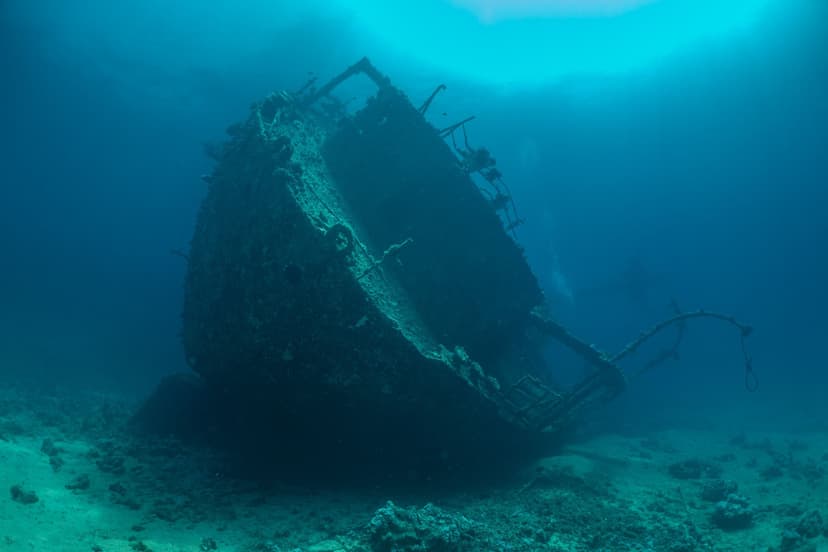
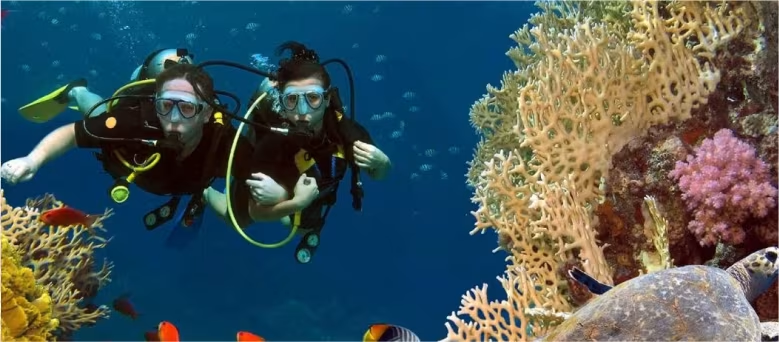
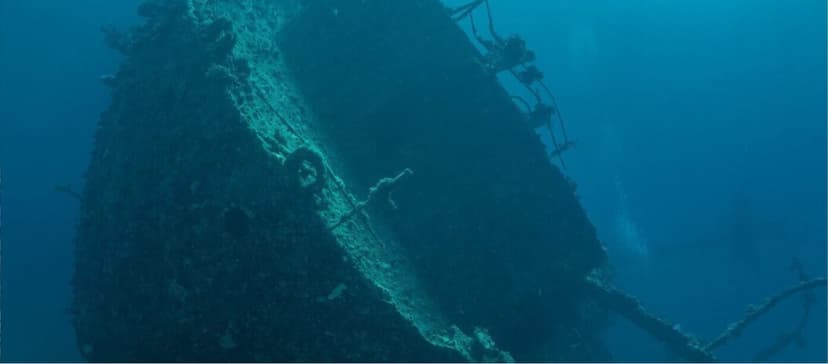
Descend into a world of vibrant coral reefs, fascinating marine life, and shipwrecks full of history. Whether you are a certified diver or taking your first breaths underwater, our diving trips offer unforgettable Red Sea experiences in a safe, personal, and small-group setting.
Book Your Dive


Why Dive with Blue Brothers Diving?
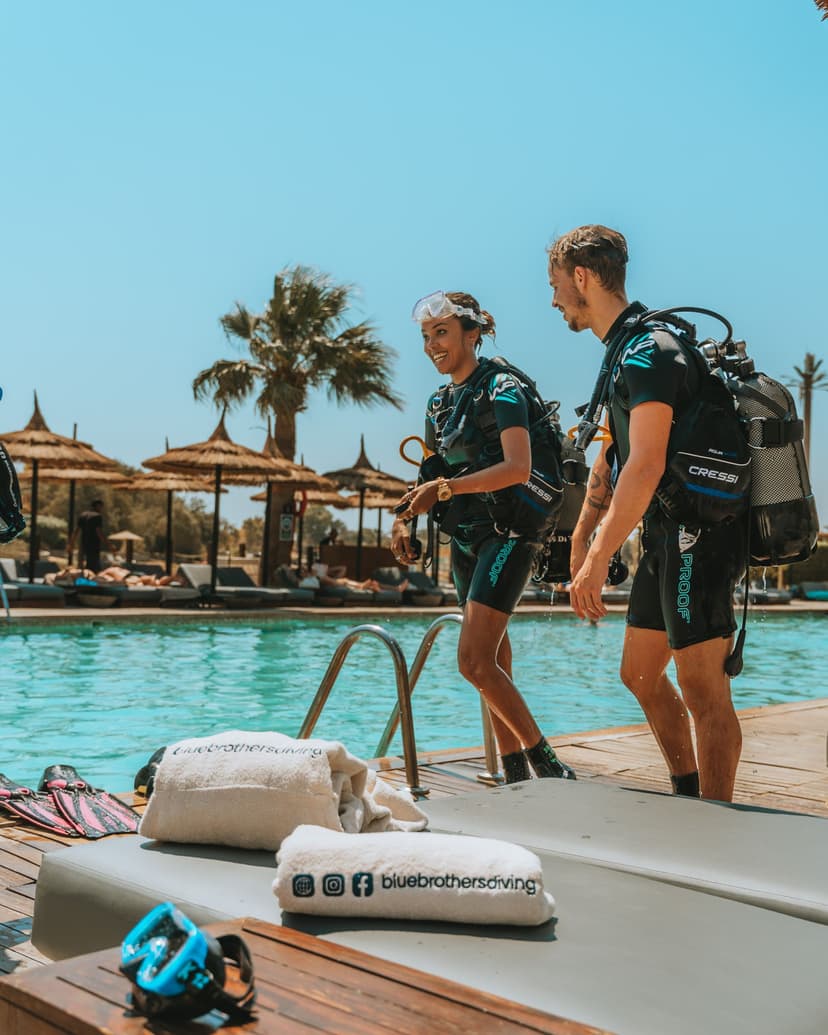
With over 25 years of experience in El Gouna, we have been guiding divers from around the world to some of the Red Sea’s most beautiful dive sites. From easy reefs for beginners to exciting drift dives, every trip is planned around your experience level and comfort in the water.

Why Our Diving Trips Stand Out
Discover the Red Sea with safe, well-organised diving trips designed for comfort, guidance, and unforgettable moments underwater.

Small Groups & Private Trips
Enjoy a more personal diving experience with space, flexibility, and the attention you need to feel comfortable in the water.

Experienced Dive Guides
Our experienced local team knows the reefs and dive sites well and is there to make every dive safe, smooth, and enjoyable.

Premium Rental Equipment
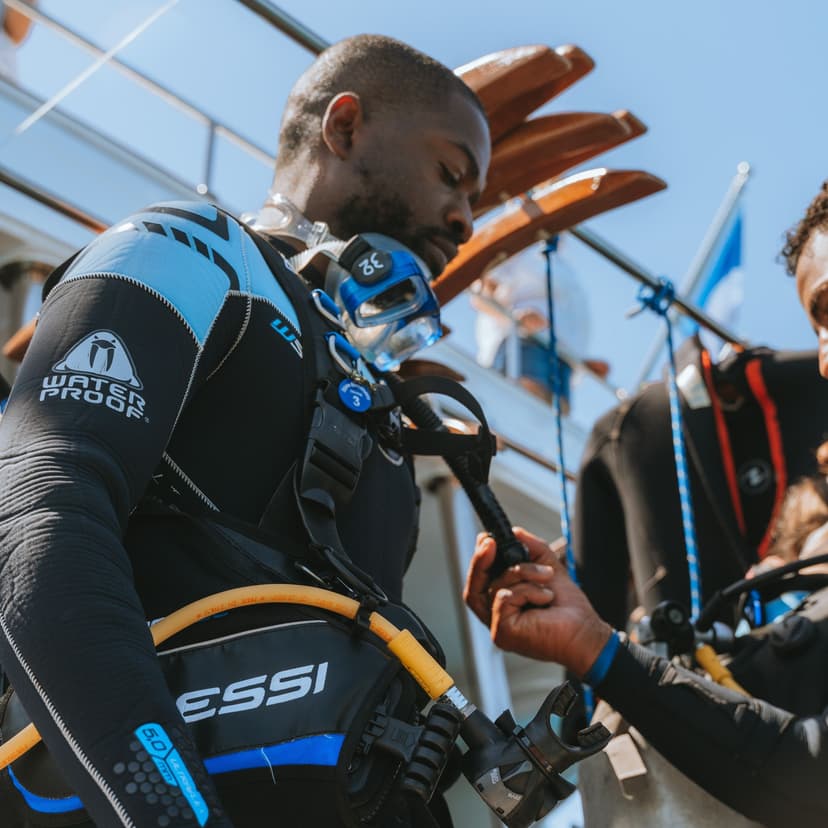
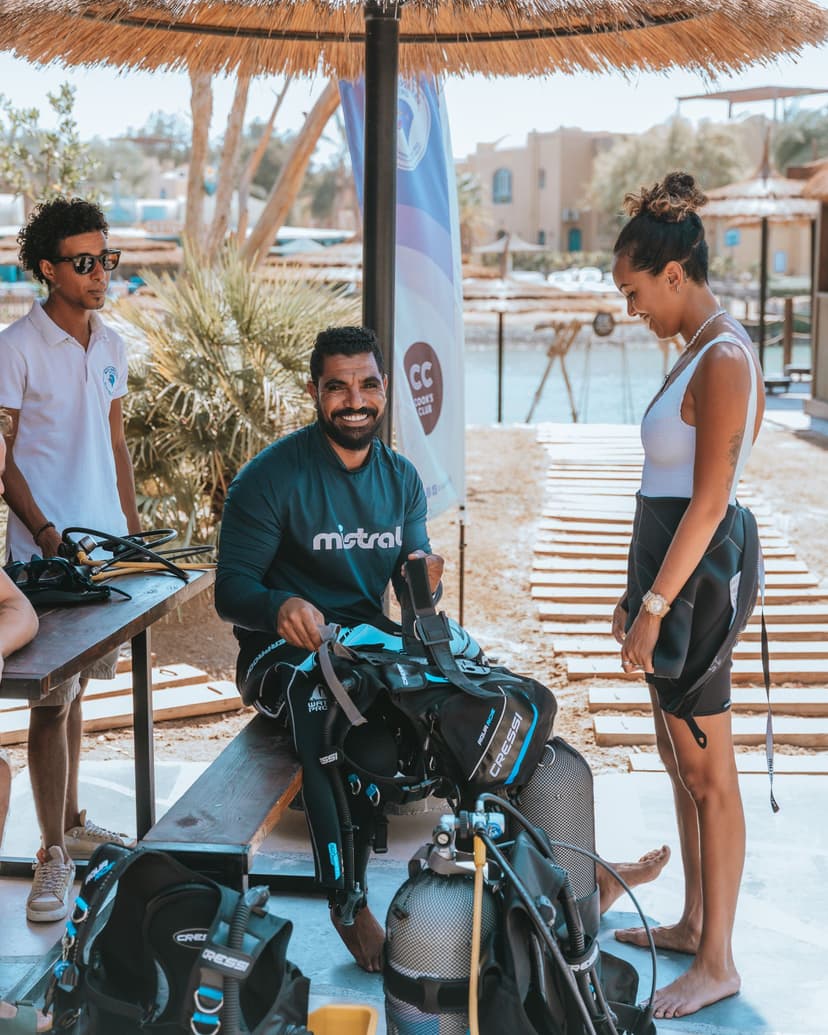
We offer top-quality, carefully maintained diving equipment for rent, giving you comfort, reliability, and confidence on every dive.

Diving All Year Round
With warm waters and excellent diving conditions throughout the year, there is always a great time to explore the Red Sea.
Trips from €79 per person
Book Your DiveTrips & Courses
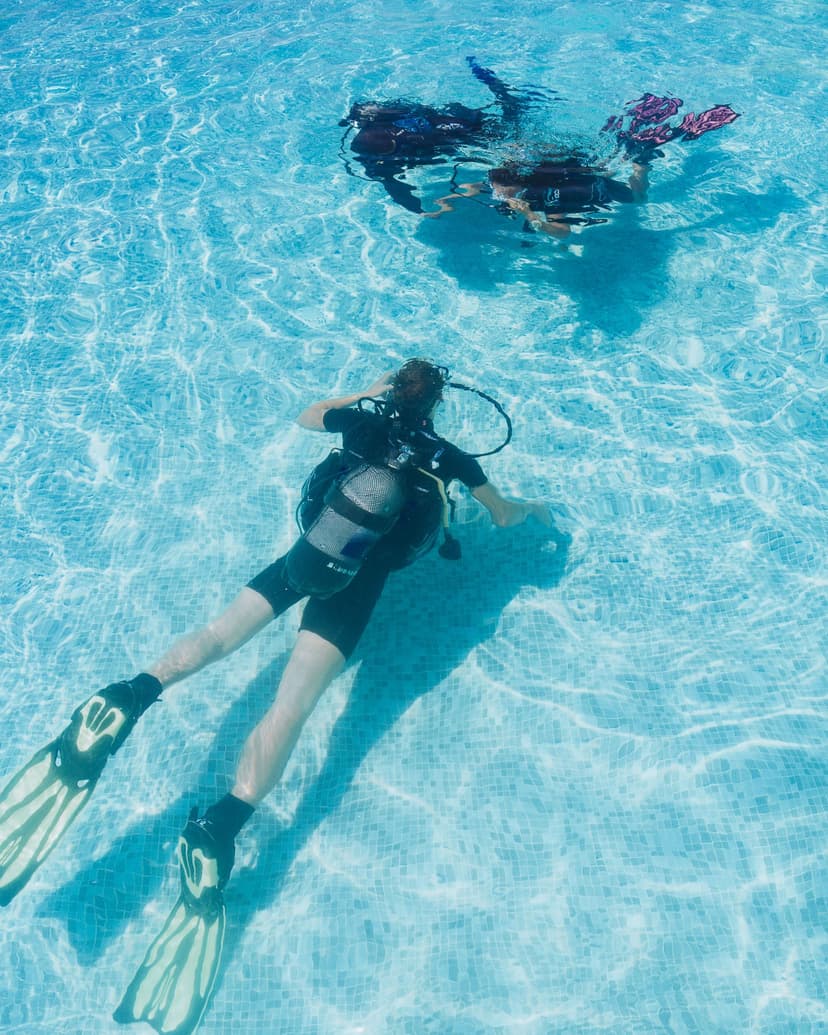
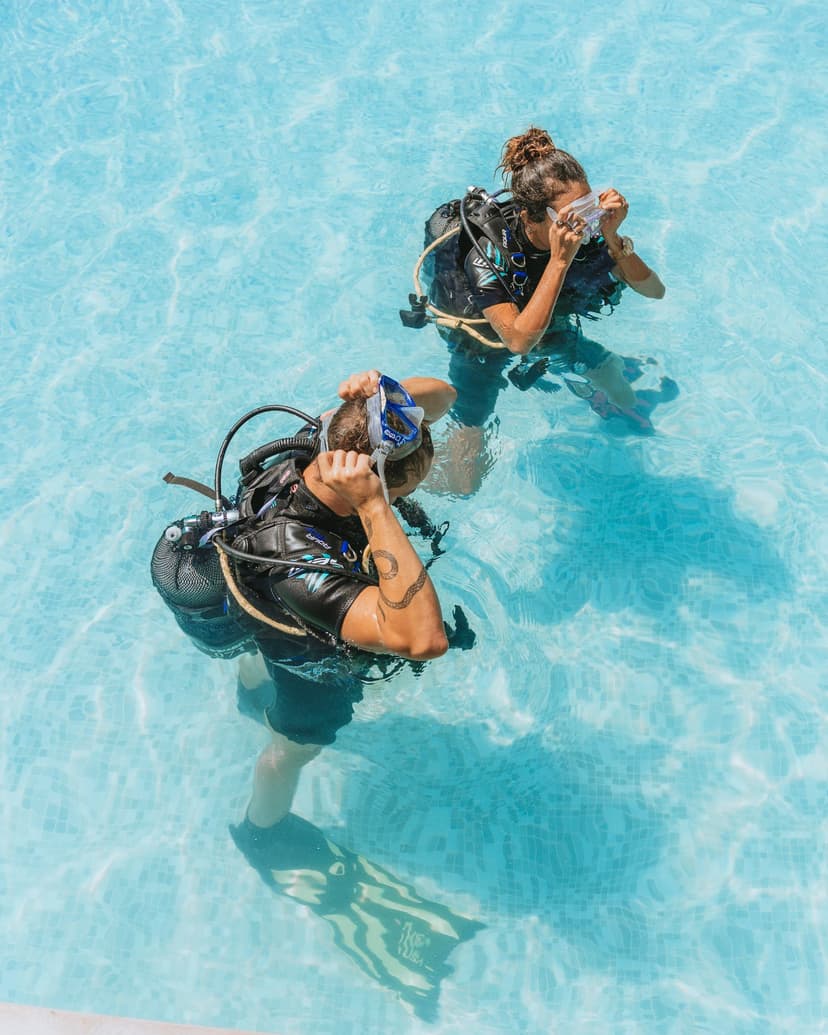
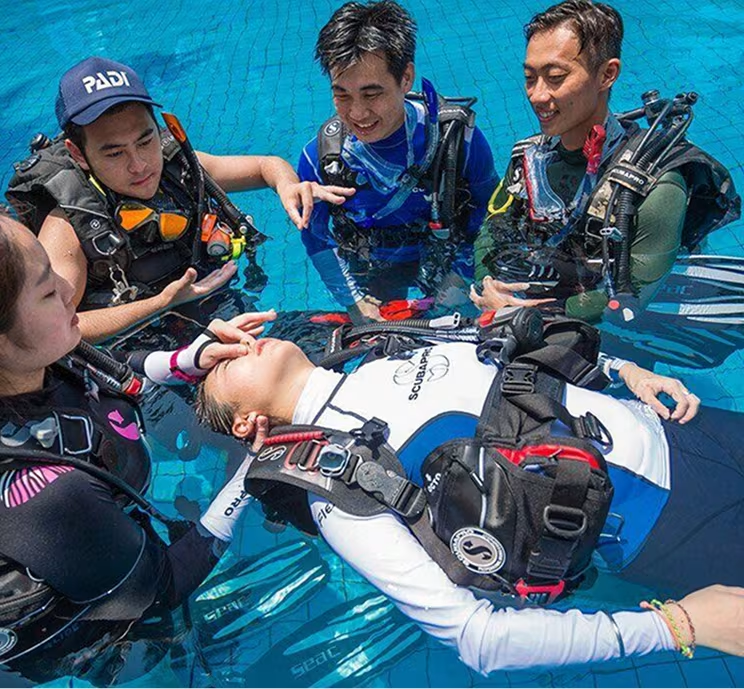
Whether you want to join a guided dive trip, take your first breaths underwater, or continue your training, El Gouna is the perfect place to discover more of the Red Sea. Choose from dive trips, beginner programmes, Open Water training, advanced courses, and specialties — all led by experienced instructors and dive guides, and tailored to your level and goals.
Diving Trip
 Contact us
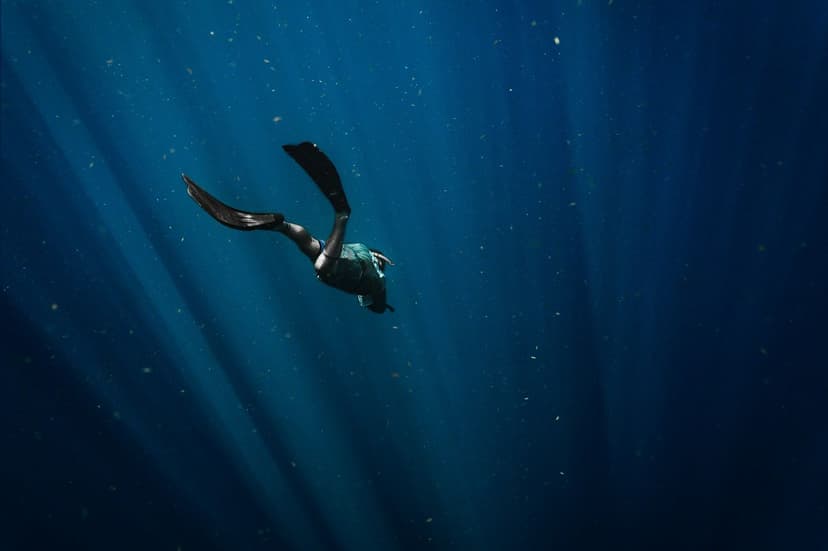
Deep Diving – Explore New Depths with the PADI Specialty Course
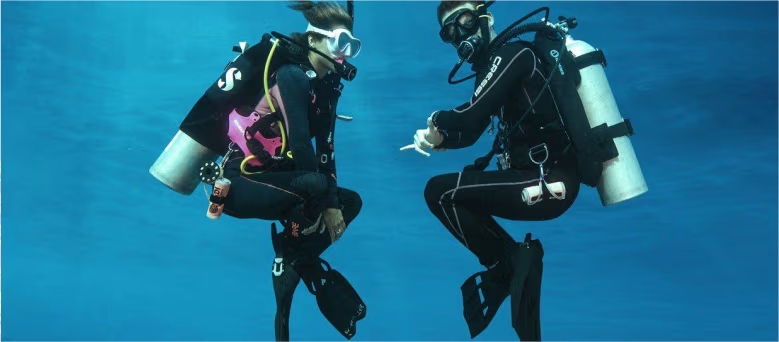
During the PADI® Deep Diver course you will learn how to plan deep dives, manage your breathing gas supply and how to recognize and deal with a deep rush. You will learn how to keep contact with your buddy and what to consider in terms of safety and buoyancy control at depth.
 Contact us
Drift Diving – Explore the Currents with the PADI Specialty Course
The PADI Specialty course drift diving teaches you how to deal with the current.

Frequently Asked Questions
Find answers to the most common questions about our diving trips and courses in El Gouna — from equipment and experience levels to what to expect on the day.
Yes, we offer Nitrox (EANx). Requirements: You should be Enriched Air (Nitrox) certified (or you can take our Enriched Air Nitrox specialty). You will analyze the mix and set your dive computer to the correct EANx percentage before the dive. Surcharge: Nitrox is free of charge.
Except for pregnancies: No. Because doctors know very little about the effects of diving on the fetus, the recommendation to date has been that women should avoid diving if they are pregnant or trying to become pregnant. During menstruation, diving is normally not a problem.
The “weightlessness” you experience while scuba diving underwater is considered by many people to be very liberating. Modern diving masks are available as transparent models, which may be more suitable for you if you feel constricted by the mask. During your dive training, your instructor will give you plenty of time and practice opportunities so that you feel confident in every step and learning process. Your instructor will work with you at your own pace, making sure you master every skill necessary to become a good diver who enjoys diving regularly.
This case will most likely never happen to you because you have a gauge that tells you how much air you have left throughout the dive. This way you can get back to the surface in time and with a safe air reserve. But to answer the question anyway, if you do run out of air, use your dive buddy’s second mouthpiece to breathe from their tank while you surface together. There are other ways you will learn during your dive training.
With the proper training and experience, the limit for recreational diving is 40 meters. Beginner divers should not dive deeper than 18 meters. Although these are the usual limits, the most popular dive sites are often in shallower water, no deeper than 12 meters, where the water is warmer and the colors are more vibrant.
Only if you are lucky, you will get to see a shark while diving. Even though there are incidents with sharks from time to time, it is very, very rare that anything happens. Shark accidents while diving are mostly cases of harpoon fishing or shark feeding, both of which arouse the sharks’ feeding instinct. Most of the time you will only see sharks swimming by and it is a rather rare sight to be enjoyed.
What Our Guests Say

I had a fantastic time with the Blue Brothers diving school. The plan was to complete the basic open water diving course and have a few fun Dives. But the crew, the boat, the organizers were so professional, friendly, and high level, that I decided to do the advanced open water dive course and nitros course as well. I would like to thank all the Vienna boat team, but especially the chef and my teacher Tiger, who is calm as a whale, patient, very experienced and knowledgeable. He helped me go from 0 to a very relaxed and secure diver, listened to my wishes and adapted the program to benefit my growth. If you are an inexperienced diver as i was and want to learn the basics well, to feel confident, try this school! They do not cut corners and the vibe on the boat is very chill.
Vladislavs. K.
We (2 adults and 3 young adult kids) dived with Blue Brothers in June 2025 and they were amazing. Firstly the team were fab - we had the same dive instructor for the week and he was so lovely and easy going. The dive centre is in the hotel so very convenient and they have their own beautiful boat which is a short minibus ride away. We visited some beautiful dive sites and one day spend the day at dolphin house and a huge pod of dolphins swam past us twice on each of the 2 dives. We will definitely be back!
Olivia Barney
Another amazing trip with Blue Brothers Diving. I literally can’t recommend them enough! Extremely well run, nothing was too much for them, really helpful and of course, excellent diving. Safety also superb! If you’re looking for a safe and well run dive centre with very experienced staff and guides, choose blue brothers. I’m booking again with them very soon!! Thank you all so much and the week went too quickly. ⭐ ⭐⭐⭐⭐
Carl Amos
Had a wonderful experience diving with Blue Brothers - 4 days on the boat, reefs and a wrecks. The instructors and boat crew were incredible, super friendly and relaxed, especially Walid who looked after us and made sure we had the best dives. Good quality and well maintained equipment, and the whole operation was extremely well organised from start to finish. Would definitely recommend, and can’t wait to come back next year!
D Sherlock
The best diving centre in El Gouna. After trying some different diving schools in El Gouna I can highly recommend Blue Brothers Diving. Great staff and service: really professional and safe diving, and the food on board of the boat Vienna is also great! We came for kitesurfing but since there was no wind we enjoyed diving a lot - will be back for sure.
Philipp Neubauer
Subscribe Our Newsletter
Stay updated with our latest dive trips, course offers, and Red Sea news straight to your inbox.